
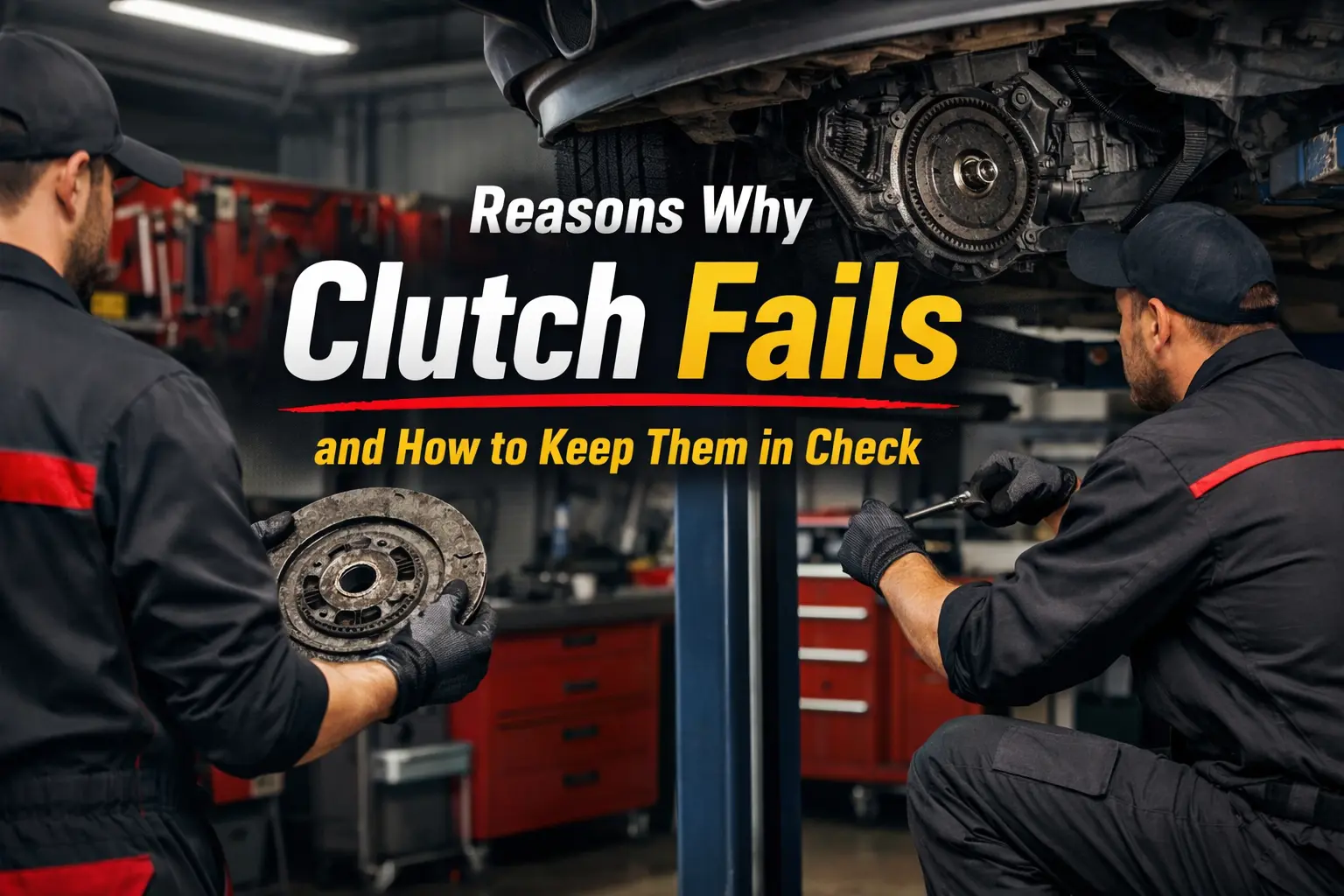
A vehicle's clutch facilitates smooth gear transitions and allows car owners to control speed and power. However, it is also susceptible to wear and failure over time for various reasons. By understanding the factors that can cause clutch failure and taking necessary precautionary measures, costly repairs can be avoided, prolonging the vehicle's life.
At BCS Workshop, we have a mechanic who has experience and understanding of when a clutch should be replaced and the maintenance of the clutch.
You can call us at (61) 3 9501 0011
In this blog, we will discuss the causes of clutch failure and the possibility of preventing it. Before that, let's understand some common reasons for clutch failure.
What are the Common Reasons for Clutch Failure?
Here is the reason for the clutch failure:
1. Riding the Clutch
Riding the clutch refers to the action of car owners who place slight pressure on the clutch pedal while driving. The constant engagement of the clutch leads to premature failure due to an excessive amount of wear.
Prevention: Don't rest the foot on the clutch pedal. Use the clutch when needed, and fully engage and disengage during gear changes.
2. Clutch Slipping
Clutch slipping occurs when the disc detaches from the flywheel lining, reducing the power transmitted to the wheels. This may be due to worn friction materials, overheating, or oil contamination. Clutch slipping symptoms include:
-
Fuel that is still not making it for the car.
-
Engine revs tend to be much higher with little increase in speed.
-
Burning smell around the clutch area.
-
Difficulty in selecting the gears.
Prevention: Performing routine inspections of the clutch mechanism. Replace components when they wear out. Don't start or accelerate too aggressively, especially in stop-and-go traffic.
3. Hard Driving and Aggressive Shifting
Performance driving, aggressive shifting, revising it like there's no tomorrow at that point, and jumps must also be considered. Too much stress on the clutch can thus occur with hard launches, excessive engine braking, and high-speed gear changes.
Prevention: When stationary, put the car in neutral and use the handbrake instead of holding the clutch at the biting point.
5. Oil Contamination
Oil or fluid leaking from the engine or gearbox can seep into the elements of the clutch assembly, diminishing friction and causing slippage.
Prevention: Regularly check for oil leaks and address them. Ensure that the seals and gaskets are in condition to prevent contamination.
6. Heavy Load Towing
Towing heavy loads excessively tempts the clutch to overheat, severely wear, and possibly break down. Most problematic due to their inability to handle excess weight loads are vehicles not intended for such usage.
Prevention: Follow the manufacturer's recommended towing capacity. If you tow a lot, upgrade to a heavy-duty clutch system.
7. Worn Clutch
As time passes, clutch components such as the clutch plate, release bearing, and pressure plate wear out from regular human use.
Prevention: Periodic servicing and timely replacement of worn parts should prevent total clutch failure whenever possible. If you’re looking for a clutch replacement for a prestige European vehicle like an Audi, contact an Audi mechanic near you to have them check it for this specific make and model.
If you’re looking for clutch replacement for a prestige European vehicle like an Audi, contact an experienced mechanic for an inspection specific to your make and model. To better understand early warning signs, read our detailed guide on the Symptoms of Clutch Failure and learn when it’s time to act before major damage occurs.
When to Replace a Clutch?
There is no standard period for changing the clutch; this could depend greatly on many different driving conditions, the mannerisms of the car owner, and vehicle specifications. However, the following can serve as an indication:
-
The clutch feels spongy, stiff, or hard to press.
-
Problems are shifting or strange noises while engaging in different gears. A burning smell while driving.
-
Sometimes, it has slipped or surged during shifts.
Whenever you figure out any of these signs, get some recommendations straight away from a professional who can replace the clutch near you in Melbourne.
How to maintain the Clutch?
Here is the reason why it is important to maintain the clutch:
1. Ensure Proper Clutch Operation
Use a clutch sparingly when in motion, and do not keep your foot on the pedal when not shifting gears.
2. Conduct Regular Maintenance
Have a competent mechanic come around once in a while to get his job done, and in so doing, find out possible symptoms before they turn into complex problems.
3. Drive Gently
This involves driving with no harsh acceleration, as it damages other vehicle components, such as gear shifting and the like, thus leading to premature deterioration.
4. Solve Problems
You should have the clutch checked and serviced whenever you feel a slipping clutch, burning smell, or trouble shifting gears.
5. Use Quality Parts
If you consult your car dealer about a new clutch. In that case, it is always recommended to pick high-quality or OEM (Original Equipment Manufacturer) replacement parts that will provide long-lasting service.
Why would finding an experienced mechanic for clutch replacement be ideal?
If the clutch is worn out and needs to be replaced, it is viable to find a car mechanic in Melbourne. One should look for someone with European car experience to ensure quality installation and high-quality work for instance, get an Audi mechanic near you or even for other prestige makes and models. It would be highly recommended to contact the experienced mechanics at BCS Workshop for repairs and services.
Take Away
One can extend clutch life by knowing its failure causes and taking preventive measures. Good driving habits, routine maintenance, and timely fixes can boost the longevity of the clutch installation. If you suspect your clutch needs replacement, consult mechanics at BCS Workshop for clutch replacement near you for a smooth and safe driving experience.




 Digiwhiz